
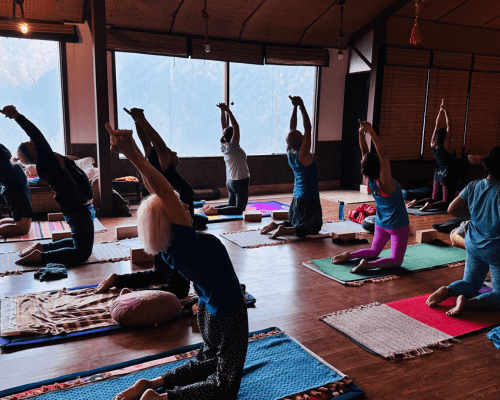
Yoga Nidra, also known as “yogic sleep,” is a powerful meditation technique that promotes deep relaxation and profound rest. Rooted in ancient traditions, this practice has gained significant attention for its therapeutic benefits and its ability to enhance mental, emotional, and physical well-being. In this comprehensive guide, we will delve into the definitions, benefits, and history of Yoga Nidra, uncovering why it is becoming a cornerstone in the world of wellness and meditation, especially at Lifestyle Yoga.
Yoga Nidra is a state of conscious relaxation that lies between wakefulness and sleep. Unlike typical relaxation or meditation practices, Yoga Nidra guides practitioners through a series of systematic steps that bring about complete physical, mental, and emotional relaxation. The term “Yoga Nidra” is derived from two Sanskrit words: “Yoga,” meaning union or one-pointed awareness, and “Nidra,” meaning sleep. Thus, Yoga Nidra can be understood as a state of conscious sleep where the practitioner remains aware and alert while deeply relaxed.
The origins of Yoga Nidra can be traced back to ancient texts and practices in India. The concept of Yoga Nidra is mentioned in the Upanishads, a collection of ancient Vedic texts that form the philosophical foundation of Hinduism. These texts describe Yoga Nidra as a state of consciousness that transcends the ordinary waking state and sleep.
One of the most influential figures in modern Yoga Nidra is Swami Satyananda Saraswati, the founder of the Bihar School of Yoga. In the 1960s, Swami Satyananda formalized the practice of Yoga Nidra, creating a structured approach that could be easily taught and practiced. His book, “Yoga Nidra,” published in 1976, remains a seminal work on the subject, providing detailed instructions and insights into the practice.
Yoga Nidra typically follows a guided process that involves several stages:
The practice of Yoga Nidra offers a multitude of benefits that extend beyond simple relaxation. Here are some key advantages:
Yoga Nidra is highly effective in reducing stress and promoting relaxation. By guiding practitioners into a state of deep relaxation, it helps lower cortisol levels, reduce anxiety, and alleviate symptoms of chronic stress. Regular practice can lead to improved resilience and a calmer, more centered disposition.
For those struggling with insomnia or poor sleep quality, Yoga Nidra can be a game-changer. The practice helps to regulate sleep patterns, promote deeper sleep, and reduce the time it takes to fall asleep. As a result, practitioners often experience more restful and rejuvenating sleep.
Yoga Nidra facilitates emotional healing by providing a safe space to process and release suppressed emotions. The practice encourages self-awareness and self-acceptance, leading to greater emotional stability and a more positive outlook on life.
Research has shown that Yoga Nidra can enhance cognitive function, including memory, concentration, and creativity. By promoting relaxation and reducing mental clutter, the practice helps improve mental clarity and focus.
Chronic pain sufferers can benefit from Yoga Nidra’s ability to alter the perception of pain and promote relaxation. The practice can help manage pain by reducing muscle tension, enhancing body awareness, and improving overall pain tolerance.
For many practitioners, Yoga Nidra serves as a gateway to deeper spiritual experiences. The practice fosters a sense of connection with one’s inner self and the universe, promoting spiritual growth and a deeper understanding of life’s purpose.
Numerous studies have validated the benefits of Yoga Nidra. Research published in various scientific journals highlights its effectiveness in reducing stress, anxiety, and depression. For instance, a study conducted by the University of Salzburg found that Yoga Nidra significantly reduced cortisol levels and improved subjective well-being in participants.
Another study published in the International Journal of Yoga demonstrated that Yoga Nidra effectively reduced symptoms of anxiety and improved overall quality of life in individuals with chronic pain. These findings underscore the therapeutic potential of Yoga Nidra and its applicability in clinical settings.
If you are a yoga teacher, yoga practitioner, or meditation teacher looking to deepen your practice and expand your teaching repertoire, consider enrolling in the Yoga Nidra Teacher Training at Lifestyle Yoga. This comprehensive training program, led by the esteemed Sumit Manav, provides in-depth knowledge and practical experience in guiding others through the transformative practice of Yoga Nidra.
Starting a Yoga Nidra practice is simple and accessible to everyone, regardless of age or physical condition. Here are some steps to begin your journey:
Yoga Nidra is a transformative practice that offers a wide range of benefits, from stress reduction and improved sleep to emotional healing and spiritual growth. Its rich history and scientifically backed advantages make it a valuable tool for anyone seeking greater well-being and inner peace. By incorporating Yoga Nidra into your routine, especially through the Yoga Nidra Teacher Training at Lifestyle Yoga, you can unlock the profound power of conscious relaxation and embark on a journey of holistic healing.
These questions help us understand your natural, lifelong patterns — how you have generally been since childhood. Please answer based on your usual nature, not on how you feel these days.
You’ll only complete this part once.
This number is already linked to your saved Prakriti baseline.
Your existing Constitution stays saved. The new number will need its own Step 1 assessment.
Use the name you would like us to keep with your assessment.
We use your WhatsApp number to identify your Constitution baseline and keep your future check-ins connected.
You're ready for Step 2. We'll now look at how you've been feeling over the last 30 days.