
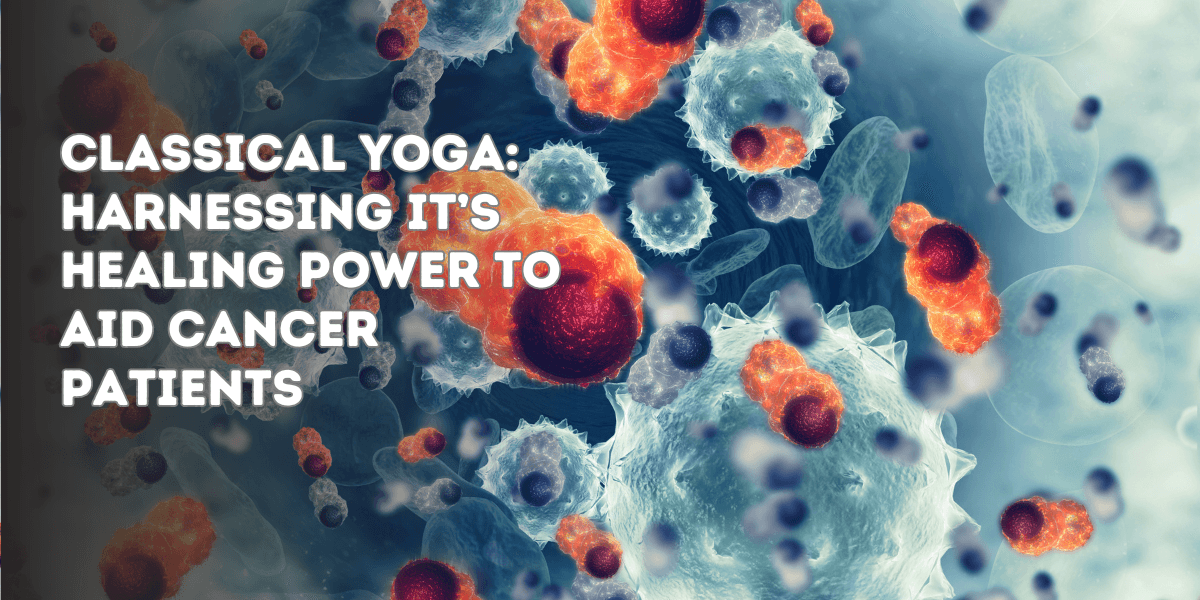
In recent years, there has been a growing interest in holistic approaches to complement traditional cancer treatments. One such approach is the integration of classical yoga into the healing journey of cancer patients. Yoga, with its ancient roots and therapeutic benefits, has shown promise in alleviating physical and emotional distress, enhancing overall well-being, and promoting healing. In this article, we explore the profound healing power of classical yoga and its potential to support cancer patients throughout their treatment and recovery process.
Classical yoga is an ancient discipline that originated in India thousands of years ago. It encompasses physical postures (asanas), breath control (pranayama), meditation, and ethical principles to promote physical, mental, and spiritual well-being. Rooted in the belief that the mind, body, and spirit are interconnected, classical yoga aims to harmonize these aspects of our being.
Regular practice of classical yoga offers numerous physical benefits. It improves flexibility, strength, and balance, which are essential for cancer patients dealing with the physical side effects of treatments. Yoga postures gently stretch and tone muscles, improve circulation, and support the body’s natural healing mechanisms.
Cancer diagnosis and treatment can take a toll on one’s emotional and psychological well-being. Classical yoga provides a sanctuary for patients to find inner calm, reduce anxiety and stress, and improve mood. Mindfulness and meditation practices incorporated in yoga help cultivate a sense of inner peace, self-acceptance, and emotional resilience.
Classical yoga offers various techniques that can help cancer patients manage symptoms and side effects. Deep breathing exercises and gentle yoga poses can alleviate fatigue, nausea, pain, and sleep disturbances. The relaxation and stress reduction techniques employed in yoga aid in coping with the emotional and physical challenges of cancer treatment.
A strong immune system is crucial for cancer patients, as it aids in fighting infections and supports the body’s ability to heal. Certain yoga practices, such as pranayama, stimulate the immune system, enhance lymphatic circulation, and promote detoxification, contributing to improved overall health and well-being.
After completing cancer treatment, individuals often experience a decrease in energy levels. Classical yoga can be instrumental in rebuilding physical strength, revitalizing the body, and replenishing energy stores. Gradually introducing yoga postures and breathing exercises helps in regaining stamina and promoting a sense of vitality.
The emotional healing journey after cancer treatment is as important as the physical one. Classical yoga, through its mindful practices, aids in emotional healing, supports self-compassion, and fosters a positive outlook on life. By integrating mind, body, and spirit, yoga enables individuals to reconnect with themselves and find a new sense of purpose and meaning.
The healing power of classical yoga has been recognized by cancer patients and healthcare professionals alike. By incorporating this ancient practice into their treatment and recovery plans, individuals can experience profound physical, emotional, and psychological benefits. From managing symptoms and side effects during treatment to promoting post-treatment rehabilitation and emotional healing, classical yoga offers a holistic approach to support cancer patients on their journey towards well-being. Embracing this ancient practice can bring solace, strength, and resilience to those battling cancer, empowering them to find balance, peace, and a renewed sense of vitality.
These questions help us understand your natural, lifelong patterns — how you have generally been since childhood. Please answer based on your usual nature, not on how you feel these days.
You’ll only complete this part once.
This number is already linked to your saved Prakriti baseline.
Your existing Constitution stays saved. The new number will need its own Step 1 assessment.
Use the name you would like us to keep with your assessment.
We use your WhatsApp number to identify your Constitution baseline and keep your future check-ins connected.
You're ready for Step 2. We'll now look at how you've been feeling over the last 30 days.